Four products, one set of foundations
A studio that only ships for clients never has to live with its own decisions. These are the products we build and run ourselves, on the same Laravel conventions every client Build starts from. Each one is at a different stage, and each page says which.
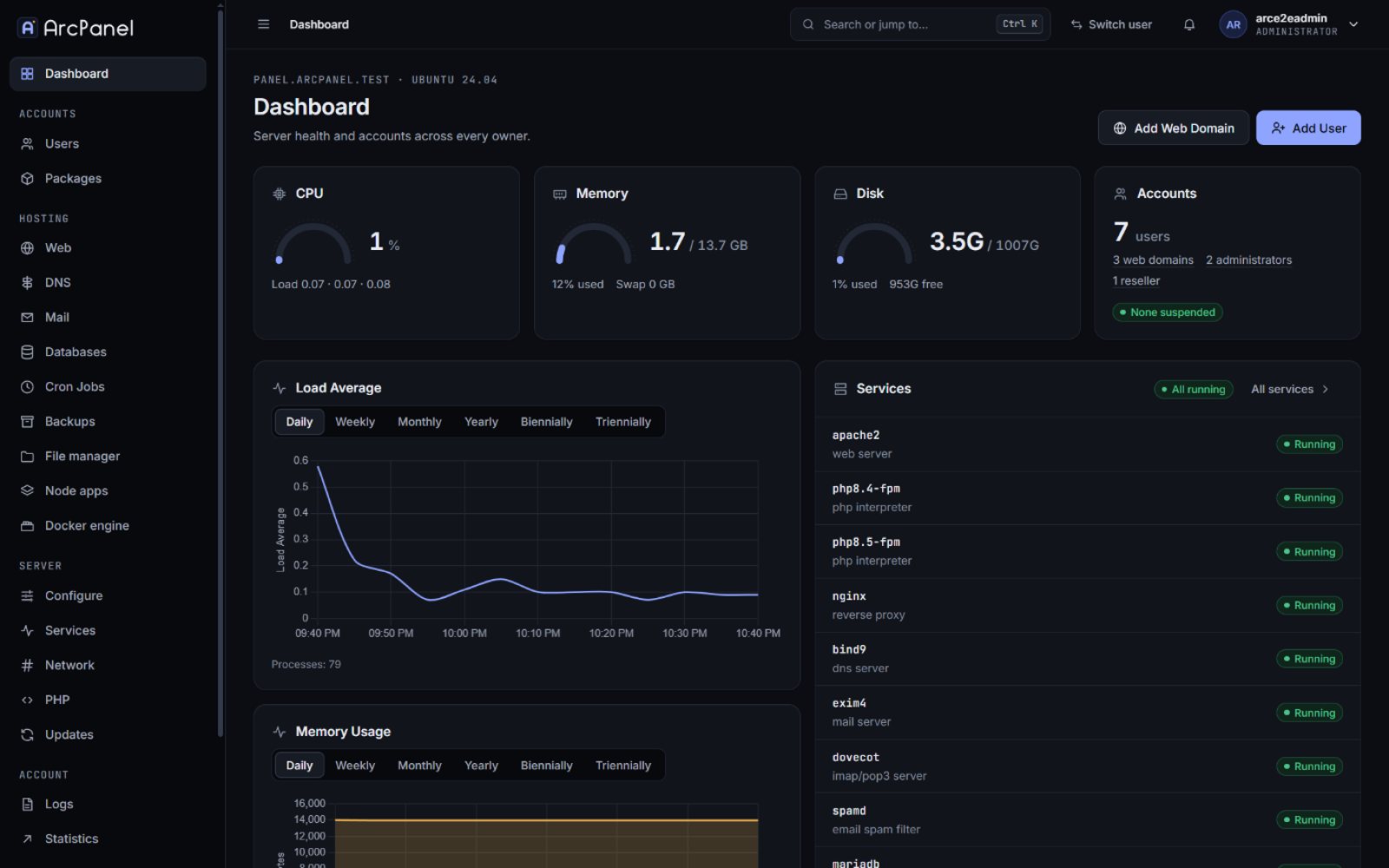
ArcPanel — a control panel for the modern Linux web server
Web domains, DNS, mail, databases, backups and SSL on your own server, from one dashboard and one command line — with resellers, Node.js and Docker apps, and a file manager that works as the hosting user. Open source under GPL-3.0.
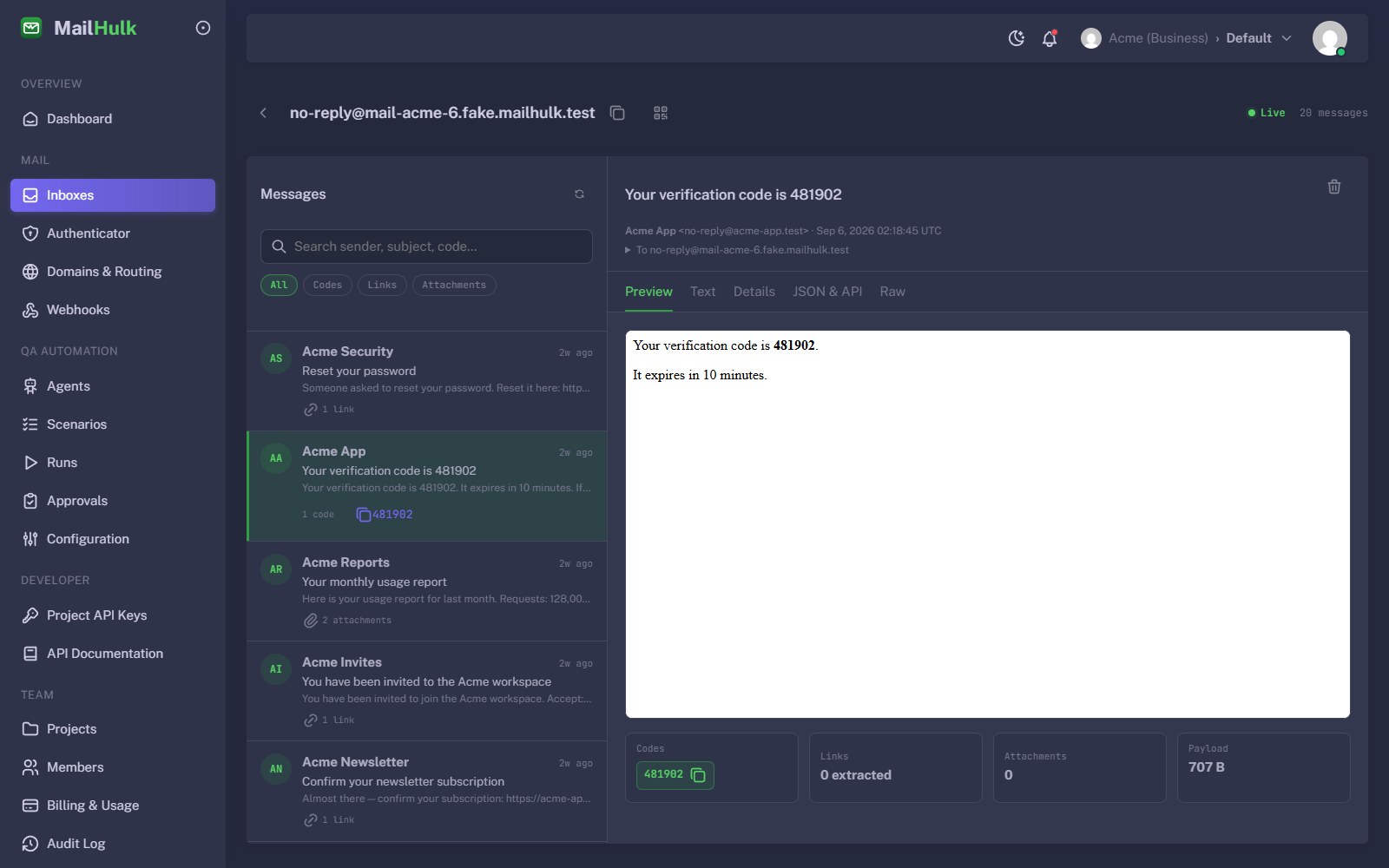
MailHulk — real inboxes for automated tests
Every signup, password-reset, magic-link and OTP test needs an email to arrive. MailHulk gives each test an isolated inbox, captures the message, and hands back the code and links already parsed — over REST, webhooks, POP3 or IMAP.
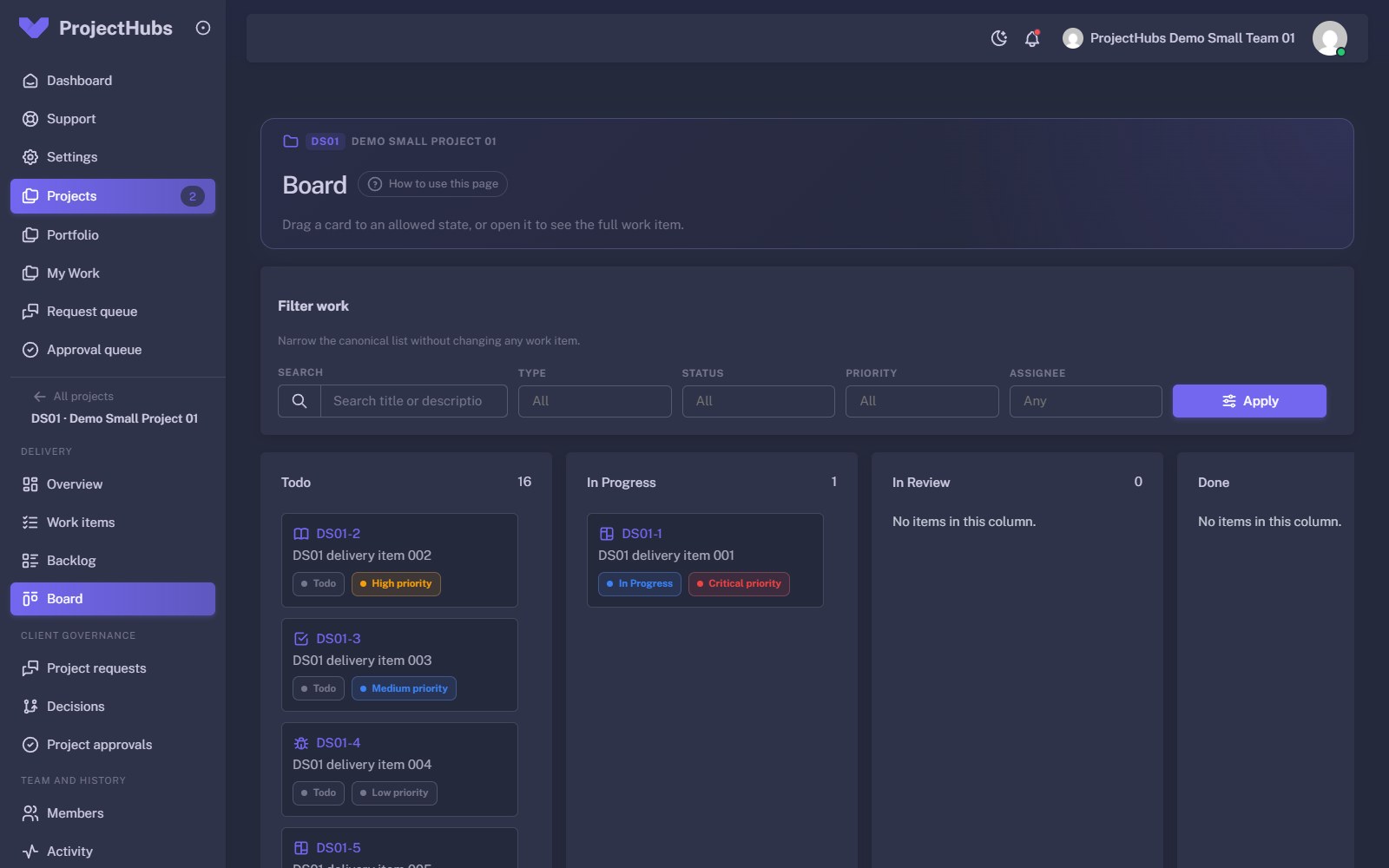
ProjectHubs — one record of the work, for staff, clients and agents
A delivery control plane for software teams that answer to clients. Staff plan and deliver from one work item record, the client sees a deliberately shared slice of it, and AI agents can draft and implement without ever holding the authority to approve, merge or close.
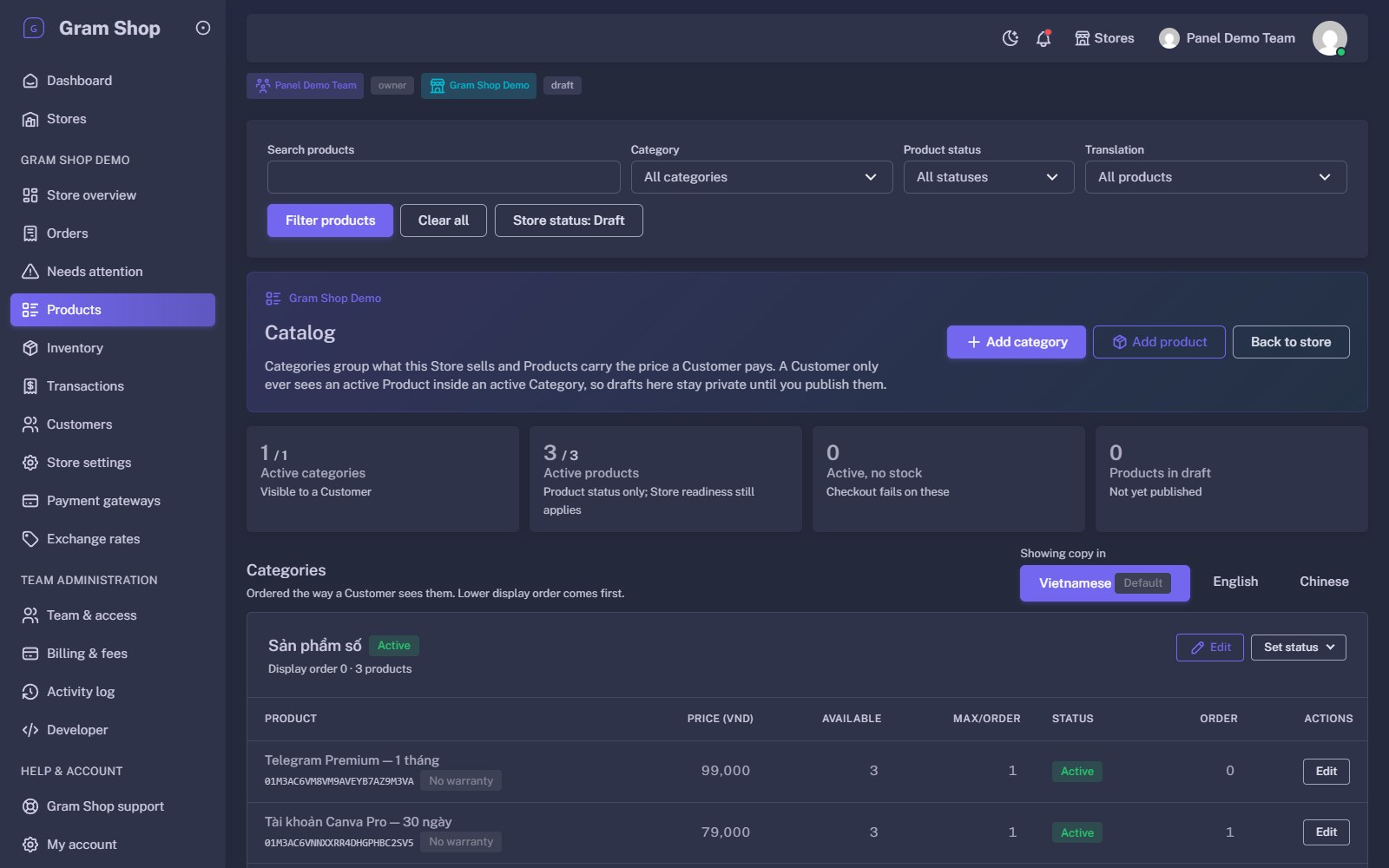
GramShop — a Telegram shop that behaves like infrastructure
Multi-tenant SaaS for selling digital goods in a private Telegram chat: bot, multilingual catalogue, encrypted stock, VietQR and USDT payments, automatic delivery and append-only ledgers. Built so a sale settles the same way twice, even when the webhooks arrive out of order.
The foundations get tested on us first
Roughly a third of any client Build is identity, billing, admin, workflow and integration plumbing we maintain as a shared Laravel foundation. MailHulk, ProjectHubs and GramShop run on that foundation in anger, which is how it earns the right to be reused. ArcPanel applies the same conventions to a hosting stack it forked rather than wrote.
Modules that have shipped, not slides
Tenancy, roles, two-factor and passkey login, plans and entitlements, signed webhooks and queued integrations all run in these products before they go into a client estimate.
We make the same trade-offs you will
Pricing tiers, what to log, what to derive rather than type, when to refuse an edit. Owning a product keeps that judgement current, and it shows up in the Blueprint.
Your Build spends its budget on your logic
Because the plumbing is already proven, a fixed-price Build can spend its weeks on the process that makes your business different instead of re-inventing a login page.
None of these is generally available yet
We publish products the way we publish case studies: what exists, what stage it is at, and nothing we cannot show. Each product page carries an evidence note.
Want one of these for your business, or something like it?
Early access to a product, or a Build on the same foundations. Either way, a 30-minute call is the right first step.
Request a call →